.webp)




In this review
Lorem ipsum dolor sit amet, consectetur adipiscing elit. Suspendisse varius enim in eros elementum tristique. Duis cursus, mi quis viverra ornare, eros dolor interdum nulla, ut commodo diam libero vitae erat. Aenean faucibus nibh et justo cursus id rutrum lorem imperdiet. Nunc ut sem vitae risus tristique posuere.
Lorem ipsum dolor sit amet, consectetur adipiscing elit. Suspendisse varius enim in eros elementum tristique. Duis cursus, mi quis viverra ornare, eros dolor interdum nulla, ut commodo diam libero vitae erat. Aenean faucibus nibh et justo cursus id rutrum lorem imperdiet. Nunc ut sem vitae risus tristique posuere.
Heading


When you make the switch to formula, your baby might respond with gas and fuss. Those digestive issues are common in infants because their gastrointestinal tracts are underdeveloped. If you’re experiencing those issues with your current formula, or want to avoid them altogether, you might be asking: Do I need a gentle (hydrolyzed) or hypoallergenic option? Whole milk or skim milk? European or US-made? Which is closest to breast milk? And maybe most importantly, which can I trust to be safe and free from contaminants?
We enlisted Pediatric Dietitian Lisa Grentz (MS, RD, CD) to help us answer these questions and find out when specialty formulas are actually necessary.
Combining Grentz’s expertise with hands-on testing by Motherful moms, we evaluated four popular routine formulas recommended for digestion: Nara Organics Whole Milk Infant Formula, Bobbie Organic Whole Milk Infant Formula, Kendamil Organic Infant Formula, and HiPP Stage 1 Formula. We compared each on formulation & digestibility, consistency & taste, safety, and cost to find out which formulas actually support easier feeding.
Read on to find out our winner.
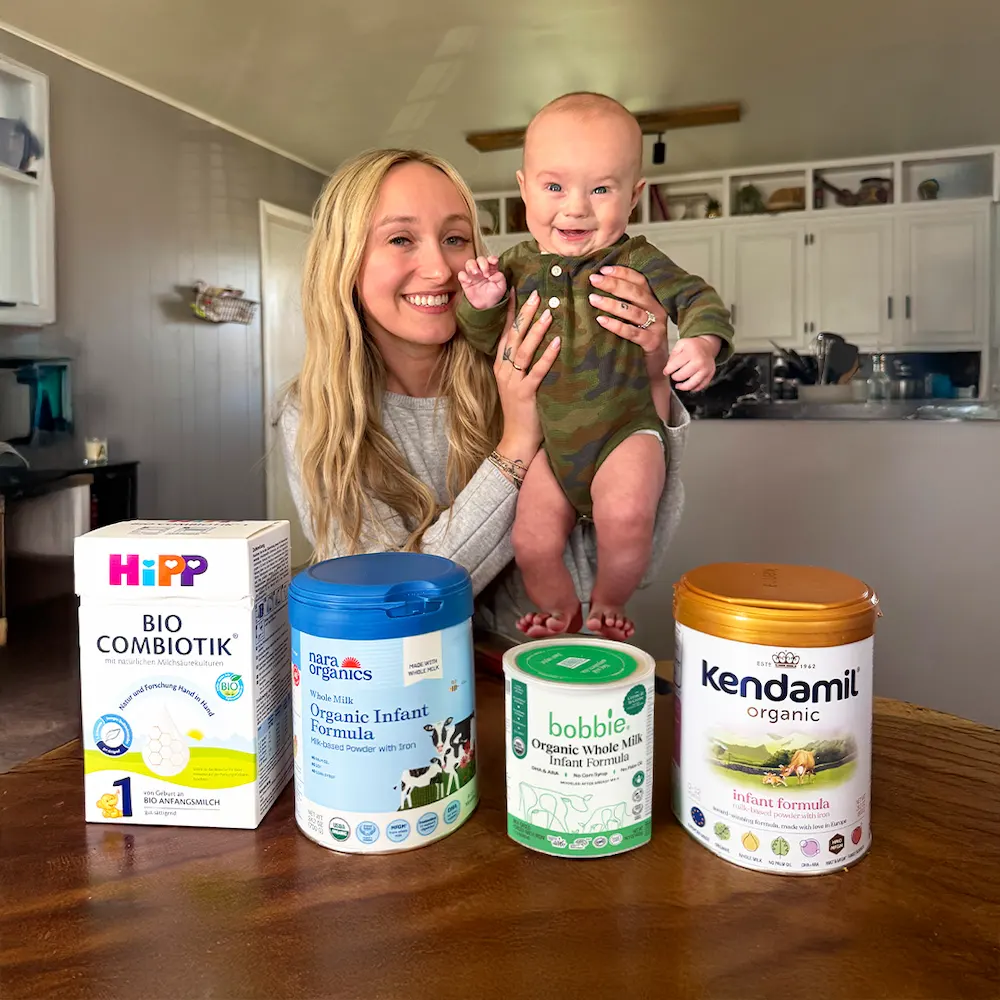
Does My Baby Need A Specialty Formula for Digestion?
When babies are gassy or fussy, some parents make the switch to gentle (partially hydrolyzed) or hypoallergenic (extensively hydrolyzed) formulas which break proteins down into smaller pieces. But according to Grentz, our Pediatric Dietitian, that’s often not the right first step.
“For most infants, digestive issues don’t require hydrolyzed formulas,” she explains. Mild digestive issues are more common in formula-fed infants because of the difference in protein structures and fat sources between infant formula and breastmilk - and the absence of natural prebiotics that breastmilk provides.1 “I recommend starting with a routine formula that mirrors breastmilk before considering specialty options,” Grentz says.
In fact, true cow’s milk protein allergy is uncommon, affecting only 2-5% of babies.2 Grentz recommends hydrolyzed formulas only when medically necessary - because they use broken-down proteins, taste bitter and metallic, and cost significantly more.3 If symptoms persist after a switch to a close to breast milk formula, parents should consult a pediatrician before switching to a specialty option.
Let’s see how our four brands stack up in terms of similarity to breast milk, safety standards, and affordability.
Infant Formula Compared:
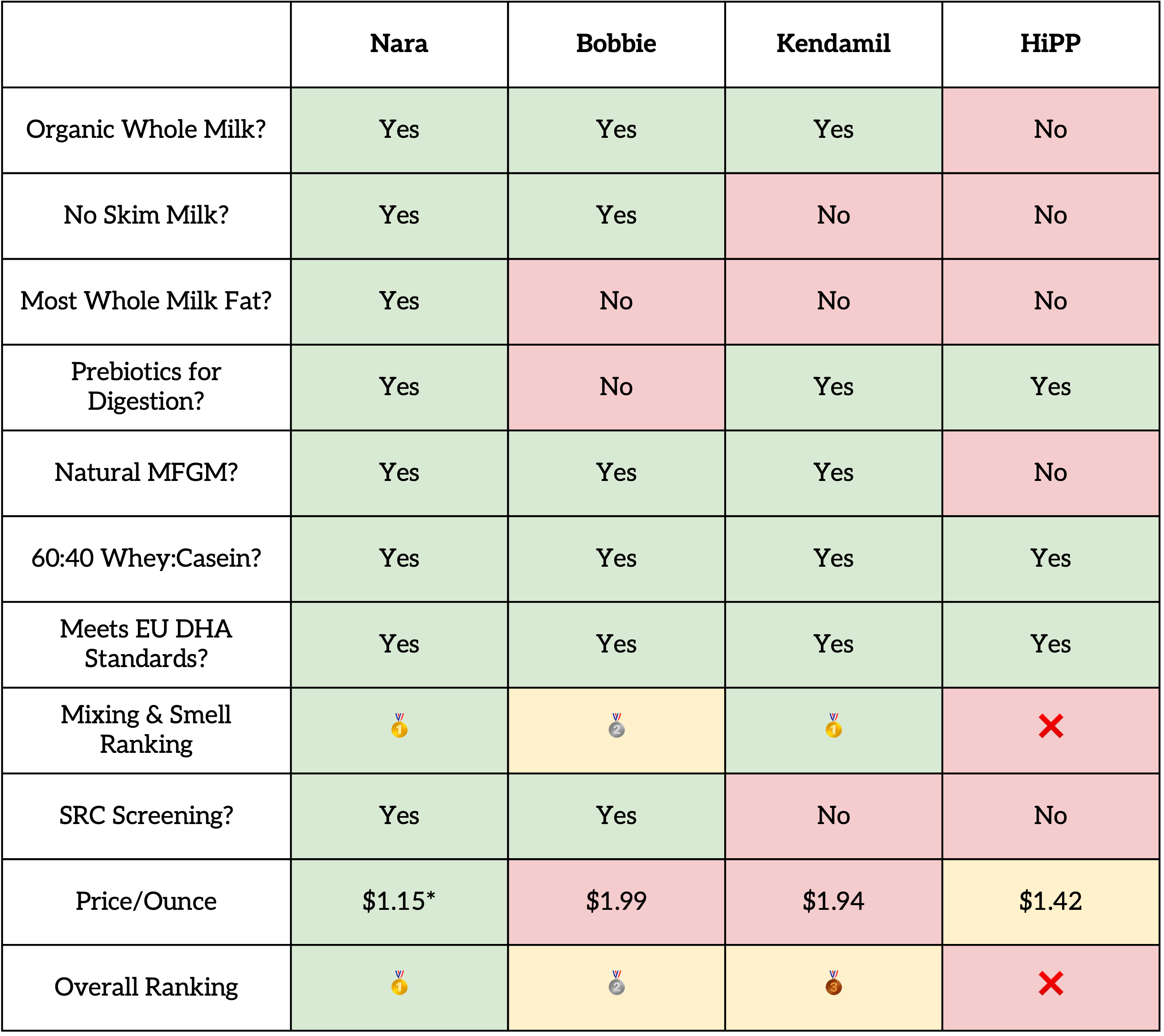
Green = Best, Yellow = Mid-pack, Red = Last
Ingredients & Digestion: Nara Wins with Closest Match to Breast Milk
“The closer a formula is to breast milk in both structure and nutrients, the more likely it is to be well-tolerated by infants,” Grentz, our Pediatric Dietitian, explains. That means looks for:
- 60:40 whey-to-casein protein ratio: “This matches mature breast milk and helps digestion.”
- Whole milk: “Whole milk formulas deliver more milk fat than nonfat milk-based formulas. Milk fat improves nutrient absorption and supports gut health and metabolism. Nonfat milk formulas use vegetable oils as their sole fat source.”
- Milk fat globule membrane (MFGM): “MFGM is shown to support immunity, gut health, and cognitive development.” It is naturally occurring in breast milk and whole milk, but not in nonfat milk.
- Prebiotics: Breast milk naturally contains prebiotics, but most formulas don’t. Look for “prebiotics like GOS that help establish a healthy gut microbiome and support softer stools, which can improve digestion.”
- Lactose as primary carbohydrate: “Look for formulas that use 100% lactose as the primary carbohydrate. It nourishes beneficial gut bacteria and is found in breast milk.”
- DHA & ARA: “DHA and ARA are essential for brain, eye, and immune development. Formulas should include these at European standards.”
Finally, taste, smell, and texture matter: “Babies are sensitive to flavor, texture, and scent. A formula that mixes smoothly and tastes mildly sweet can help babies more easily accept a formula.”
Here’s how the four formulas compare:
🥇 Nara checks all of our boxes with the formula that most closely resembles breast milk:
- 60:40 whey-to-casein ratio
- Made with USDA Organic whole milk
- Has the most whole milk of the group, meaning high levels of naturally occurring MFGM to feed healthy gut bacteria. More milk fat means fewer oils, bringing Nara’s fat composition closer to breastmilk
- Galacto-oligosaccharides (GOS) organic prebiotics that mimic the prebiotics naturally found in breast milk for softer stools and a healthy gut microbiome
- Lactose is the sole carbohydrate (and no added sugars)
- DHA and ARA at levels that meet EU requirements
“Nara’s unique milk fat profile and inclusion of prebiotics bring it closer to breast milk than any other U.S. formula I’ve seen,” says Grentz. “That matters because it means better nutrient delivery, and better digestion.”
🥈 Bobbie is second for digestion:
- 60:40 whey-to-casein ratio
- Made with organic whole milk
- Some MFGM from whole milk
- No prebiotics
- DHA and ARA at levels that meet EU requirements
Bobbie uses whole milk in their formula, but it is not the first ingredient. That means it has lower milk fat content compared to Nara. Plus, it doesn’t include prebiotics, which means less gut health support.
🥉 Kendamil takes third place:
- 60:40 whey-to-casein ratio
- Blend of organic whole milk and skim milk
- Some MFGM from whole milk
- GOS prebiotics
- DHA and ARA at levels that meet EU requirements
Because it relies on a mix of whole and skim milk, Kendamil’s overall milk fat content is lower than Nara’s. This means more fat content is made up in vegetable oils, which can be harder for babies to process and cause harder stools.4
❌ HiPP comes in last with no milk fat:
- 60:40 whey-to-casein ratio
- Made with organic skim milk - with zero whole milk
- No MFGM
- GOS prebiotics
- DHA and ARA at levels that meet EU requirements
HiPP uses a skim milk base, meaning it lacks natural milk fat and the developmental and digestive benefits of MFGM. Instead, it relies completely on a blend of vegetable oils - including palm oil - for fat content. Dr. Grentz says relying on palm oil “can interfere with nutrient absorption and contribute to feeding discomfort.”
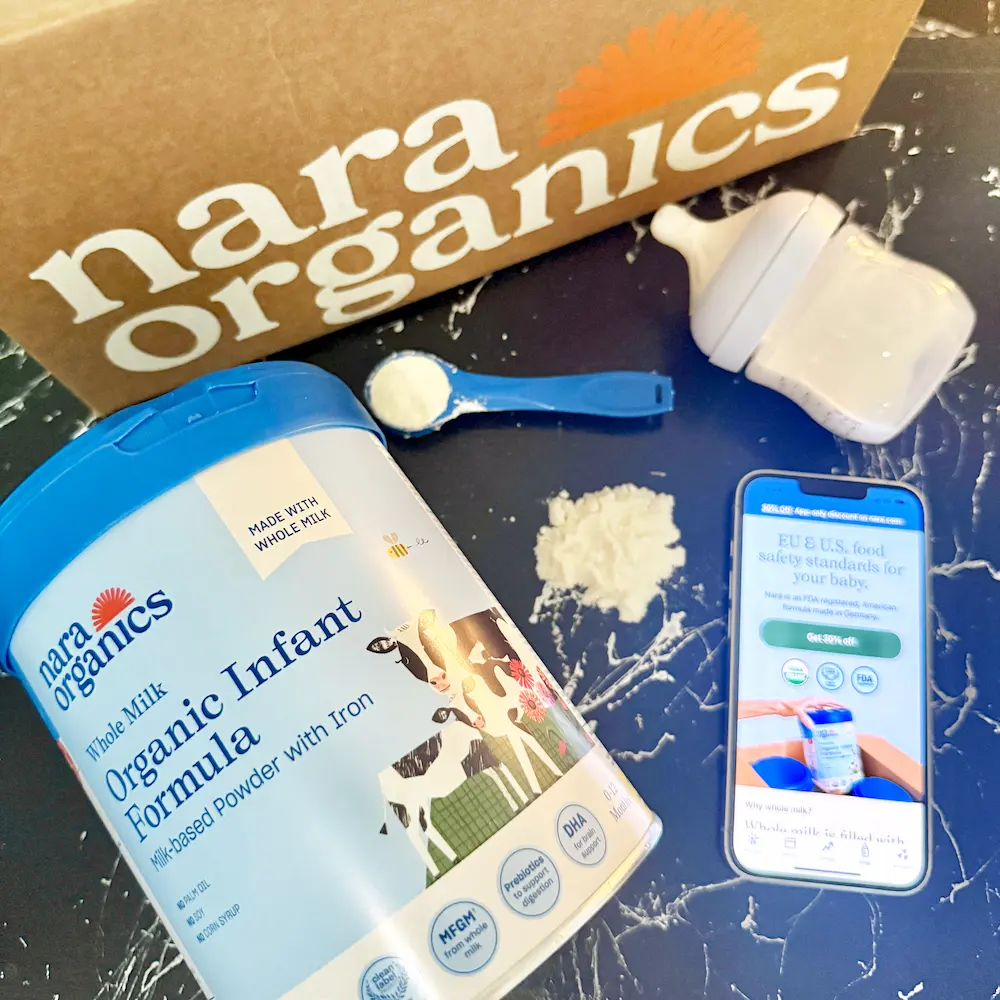
Consistency & Smell: Nara and Kendamil Tie for Best Texture and Smell
Texture and taste are important parts of digestion. Look for a formula that mixes smoothly and has a mild, slightly sweet scent - similar to breast milk.
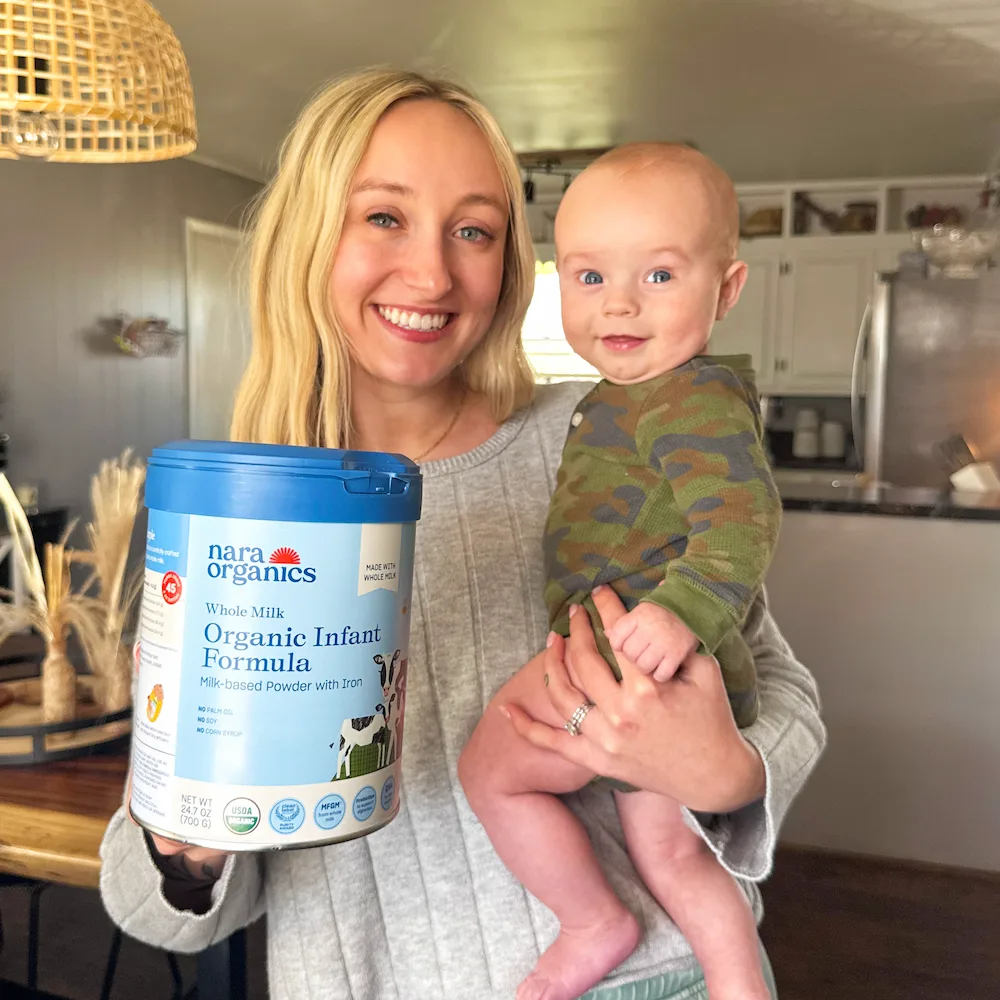
Lindsey, Motherful mom to 5-month-old Joshua, prepared each formula as directed and compared texture and smell across all four brands.
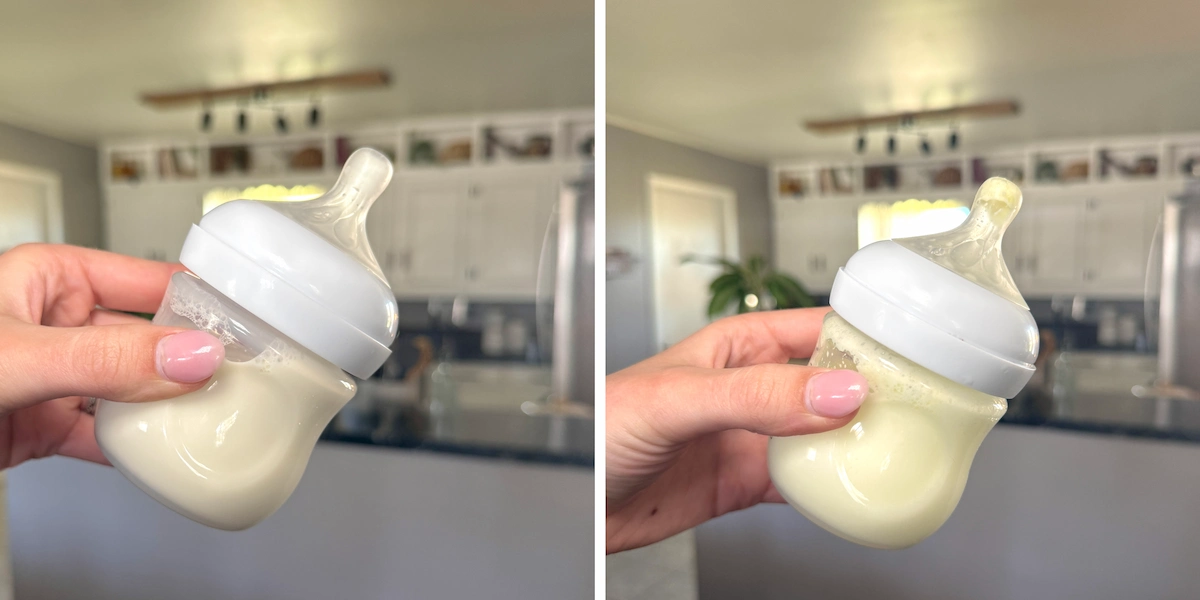
🥇 Nara is creamy and smooth with almost no foam. The smell is mild, slightly sweet, and the closest to breast milk of all the formulas we tested. Joshua accepted Nara without fuss - no grimacing or bottle refusal.
🥇 Kendamil ties with Nara - also smooth and easy to mix. The smell is lightly sweet, similar to breast milk. Again, Joshua accepted bottles easily, with no fuss or refusal.
🥈 Bobbie mixes smoothly, but Lindsey reported a faintly metallic smell. In testing, this led to more hesitation during feeding, with her baby being less eager to drink it and pushing bottles away.
❌ HiPP has the thickest consistency and is also the hardest to mix. Its slightly fishy smell was off-putting to Lindsey and led to bottle refusal and some spitting.
Safety & Third Party Testing: Nara Wins with German Manufacturing and Extensive Safety Tests
Of course safety is our top concern when choosing a formula. We evaluated certifications, third-party testing, manufacturing standards, and recall history across all four brands.
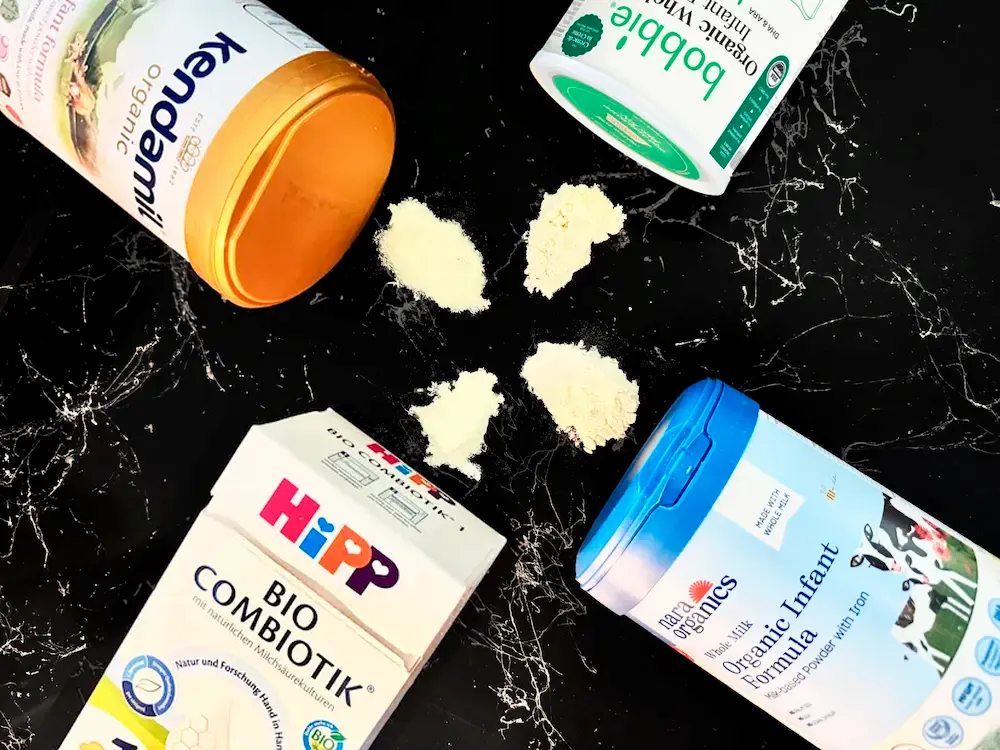
🥇 Nara wins with the most comprehensive safety standards. It is manufactured in Germany under strict EU regulations and undergoes thousands of quality and safety checks per batch. Nara is USDA Organic and Clean Label Project Certified, and has earned both the Clean Label Purity Award and Pesticide-Free Award, meaning it’s independently tested for contaminants like heavy metals and pesticides. Each batch also undergoes SRC and C. Perfringens screenings to prevent growth of botulism-causing bacteria. It has no recalls to date. The company shares testing standards and results on their website.
🥈 Bobbie is USDA Organic and Clean Label Project certified, with thousands of quality checks per batch. It’s manufactured in the U.S. Bobbie implemented SRC screening for botulism-causing bacteria in November 2025. It had a 2019 recall due to labeling violations.5
🥉 Kendamil is USDA Organic and Clean Label Certified and conducts both internal and third-party testing for contaminants like heavy metals and pesticides. It has no U.S. recalls to date, but had a 2026 recall in Canada due to potential contamination with cereulide toxin,7 produced by Bacillus cereus. The toxin causes rapid-onset nausea and vomiting.8 We could not find evidence of the number or types of safety checks per batch and the brand does not publish information on botulism SRC screening.
❌ HiPP has more limited transparency. While it is EU Certified Organic and manufactured in Europe, it is not Clean Label Certified and is not FDA-registered, meaning U.S. consumers may not be notified of recalls. In 2021, multiple HiPP formulas were recalled due to insufficient iron levels,6 and the brand does not provide clear public information on testing standards or SRC screening.
Cost: Nara Wins with the Best Value
Depending on age, expect to use 0.5 to 2 ounces of powder formula per day, or 5-8 prepared 4-ounce bottles per day Here’s how that formula feeding adds up:
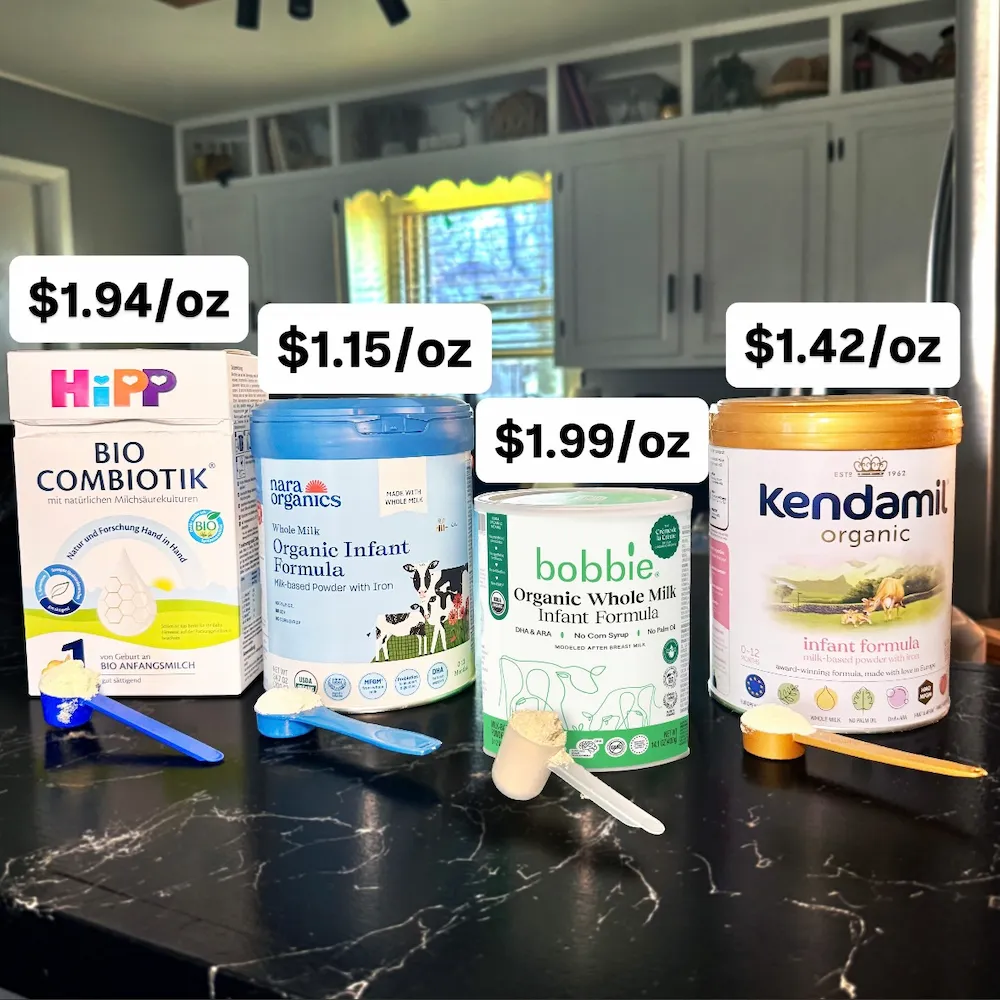
🥇 Nara is the most affordable option at $1.15/ounce with Motherful’s discount. Nara offers ongoing savings if you subscribe.
🥈 Kendamil comes in at $1.42/ounce and does not offer a subscription option.
🥉 HiPP costs $1.94/ounce and often comes with additional import and shipping fees (Lindsey paid $30). Subscription options are not available.
❌ Bobbie is the most expensive at $1.99/ounce. Bobbie offers ongoing savings if you subscribe.
The Overall Winner: Nara is Best for Digestion
Nara Organics Whole Milk Infant Formula is our Pediatric Dietitian’s #1 choice.
With the most whole milk of any U.S. formula, it’s similar to breast milk and the easiest on tummies of the formulas we tested. It’s also the clear winner for its strict safety standards and affordability.
Our Pediatric Dietitian, Lisa Grentz, agrees, “For most babies with mild GI issues, a well-formulated routine formula is the best place to start - and Nara checks all the boxes with its high level of whole milk fat, organic prebiotics, and 60:40 whey to casein ratio.”
Ready to try Nara? Save 30% with Motherful’s exclusive discount (that’s just $28 per container):
.avif)